
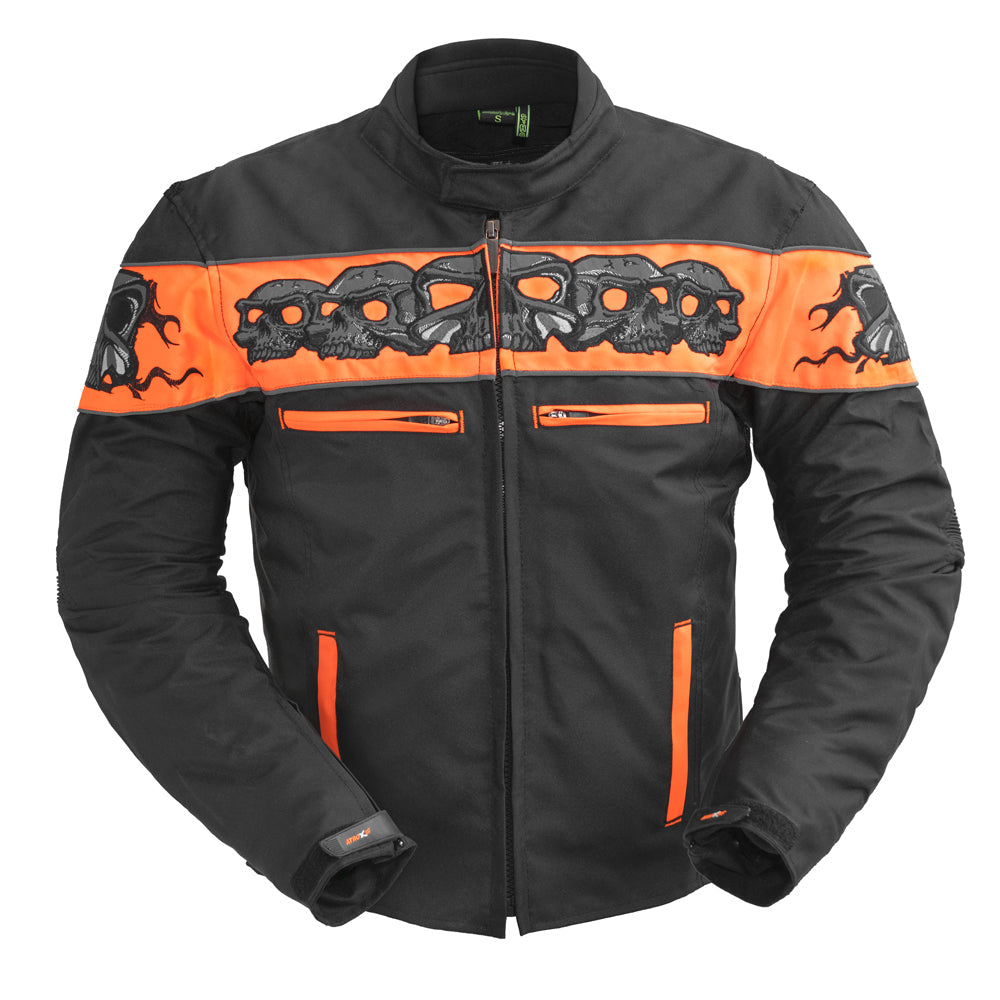

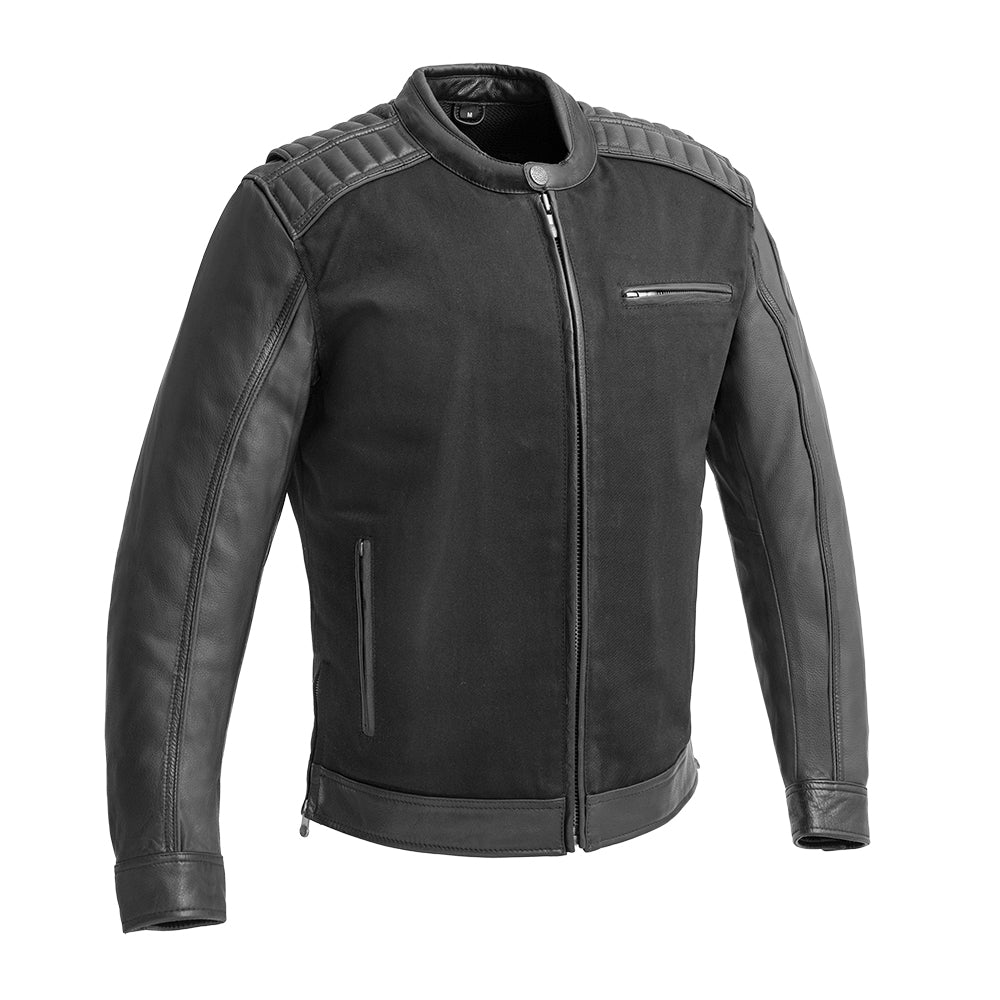

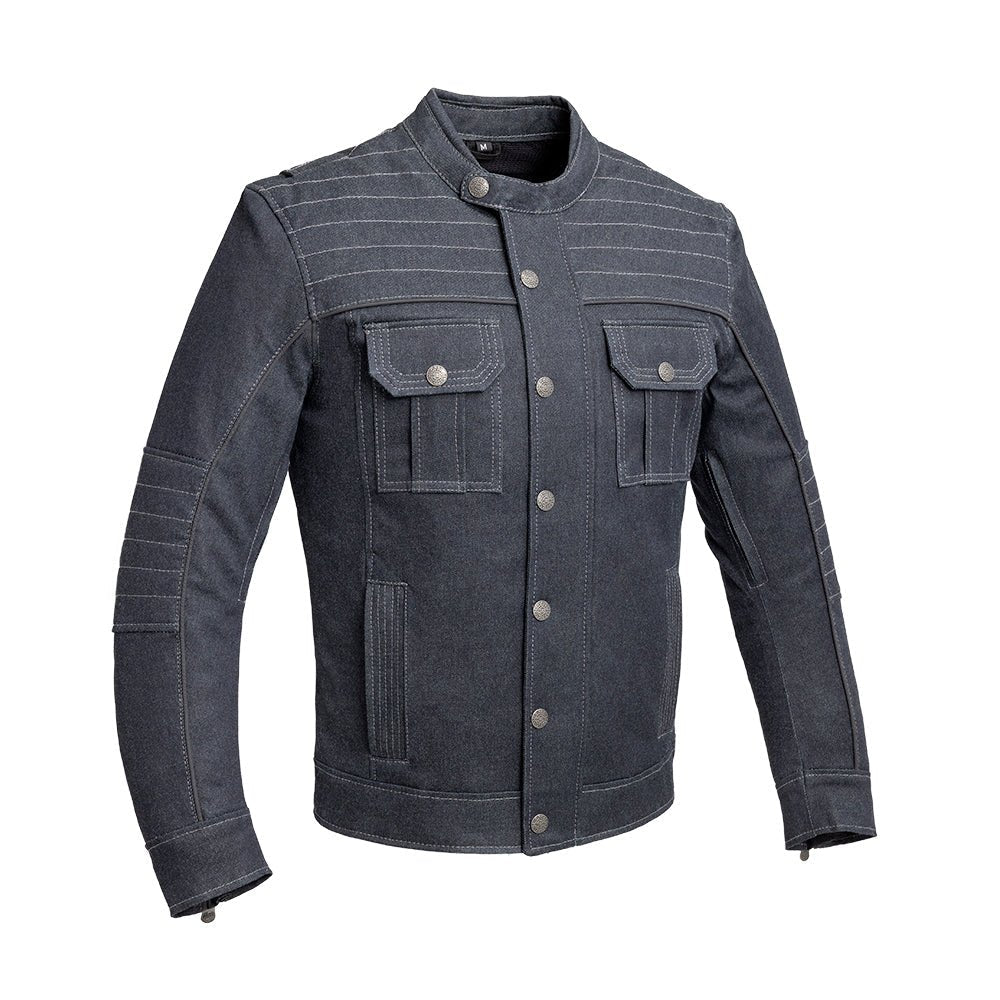

Men's Textile Motorcycle Jackets: Modern Protection That Works Smarter
Textiles bring unique qualities to the table, such as keeping you dry in a downpour or breathing when it's 95 Fahrenheit in heat. That's where men's textile motorcycle jackets come in as the gear that handles conditions. Like rain at dawn, heat at noon, and cold wind by nightfall. One jacket that adapts instead of forcing you to choose between protection and comfort.
At Best Leather NY, we build textile motorcycle jackets because riders kept asking for gear that performs in the real world, commuting through unpredictable weather, touring across climate zones, and daily riding.
What Makes a Textile Motorcycle Jacket Different?
A textile motorcycle jacket is any jacket built from synthetic materials instead of animal hide. But that simple definition hides the engineering that makes modern textile gear perform.
The base fabrics, nylon, polyester, Cordura, Kevlar, or ballistic nylon, are woven tight enough to resist abrasion while staying flexible enough for full mobility. Then manufacturers add coatings, membranes, or treatments that handle water, wind, and temperature regulation. Layer in CE-approved armor pockets, reflective elements, ventilation systems, and adjustment points, and you've got protection that leather can't match for versatility.
Why Textile Works in Every Weather & Season
-
Weather Versatility: Textile motorcycle jackets are built for all-weather riding, using water-resistant coatings, waterproof membranes, and removable liners to keep you dry and adaptable in rain. They also handle temperature changes with vents and thermal liners, offering flexibility.
-
Lightweight Comfort: Textile jackets are significantly lighter than leather (2–4 lbs vs 4–7 lbs) while still providing strong abrasion resistance and CE-approved armor for protection, and less weight reduces rider fatigue.
-
Abrasion Resistance: High-quality textile jackets can match or even outperform leather in most real-world crashes, using advanced materials and CE Level 2 armor to provide strong abrasion and impact protection.
Key Features of Our Textile Jackets Collection
Remember that not all textile jackets work the same. Here's what actually matters:
-
Denier Rating (D): Our textile jacket collection offers fabric thickness and durability, with 400D is entry-level. 600D is solid for street riding. 1000D is heavy-duty for touring and aggressive riding.
-
Cordura vs. Regular Nylon: Our jackets are made with Cordura, which is a brand name for abrasion-resistant nylon that outperforms standard nylon by significant margins.
-
Ventilation Design: This textile jacket collection offers zippered vents that should have storm flaps behind them (otherwise rain gets in). Mesh panels work for airflow but sacrifice some abrasion resistance.
-
Armor Pockets: Our collection offers CE-approved armor at shoulders and elbows; a minimum of a back protector pocket is highly recommended.
-
Adjustment Points: They also present waist straps, cuff adjusters, and collar closures that actually seal and enable you to adjust accordingly.
-
Lining Quality: These textile jackets offer mesh linings that wick moisture and dry fast. Satin linings slide on and off easily but can get clammy. Removable liners add versatility but need solid attachment points.
Textile vs. Leather Jackets: What You Should Choose
Both materials belong in serious riders' gear collections. Here's when each wins:
-
What Does A Textile Jacket Offer: If you are passionate about riding in variable weather, need waterproofing, value lightweight comfort for long distances, want easy maintenance, ride year-round with seasonal changes, or prioritize versatility over tradition. Textile excels for commuters, touring riders, adventure riders, and anyone covering serious miles.
-
What Does A Leather Jacket Offer: If you want maximum abrasion resistance for high-speed riding, prefer classic aesthetics, don't mind the weight, ride primarily in dry conditions, or value that broken-in feel and timeless style. Leather excels for cruiser riders, weekend warriors, and riders who treat gear as fashion alongside function.
-
What If You Own Both: If you ride frequently across different seasons and conditions. Many experienced riders keep leather for dry weather and short rides and textiles for everything else.
How You Can Take Care of Your Textile Jacket
To maintain a textile jacket, remove the armor and clean it with a tech-wash detergent by hand or on a gentle front-load cycle, then air dry to protect waterproof coatings. Restore water resistance with a DWR spray and store it on a wide hanger in a cool, dry place.
Why Best Leather NY for Your Textile Motorcycle Jacket
At Best Leather NY, we build textile motorcycle jackets for men that offer balance in protection, features, and value. Every jacket gets vetted for construction quality, material specifications, and real-world performance.
Our men’s textile jacket collection offers several features such as quality textiles. It is built from riders for riders, who understand motorcycles, sizing that runs true with accurate measurements, honest feature descriptions so you know exactly what you're buying, and pricing that makes sense without fake sales or inflated MSRPs.
Frequently Asked Questions
Are textile motorcycle jackets as safe as leather in crashes?
High-quality textile jackets with 600D+ Cordura or ballistic nylon offer abrasion resistance comparable to mid-grade leather (1.2-1.4mm cowhide) for street riding. With CE-approved armor at impact points, textiles often provide superior protection for the types of crashes most riders experience. Race-grade thick leather still wins for track use above 100 mph, but for 99% of street riding, quality textile does the job.
Will textile jackets really keep me dry in heavy rain?
Jackets with sealed waterproof membranes (not just water-resistant coatings) keep you dry in sustained heavy rain, provided seams are taped and zippers are covered. Water-resistant jackets handle light rain and road spray but will eventually soak through in downpours.
Can I wear textile jackets in summer heat?
Yes, textile jackets with ventilation systems work well in heat. Look for mesh panels or zippered vents at the chest, back, and arms. Open vents allow airflow that leather can't match. Some summer-specific textile jackets use mostly mesh construction with armored panels, maximum cooling with maintained protection.
How do I wash a textile motorcycle jacket?
Remove all armor first. Hand wash in a tub with tech-wash detergent or use a front-loading washer on a gentle cycle if the care tag allows. Never use top-loading washers with agitators. Always hang to air dry, never machine dry as heat damages waterproof coatings and can melt synthetic materials.
What does "600D Cordura" mean on textile jackets?
"D" stands for Denier, which measures fiber thickness, higher numbers mean thicker, stronger material. Cordura is a brand of abrasion-resistant nylon significantly tougher than standard nylon. 600D Cordura is a good baseline for street riding. 1000D offers more protection for touring or aggressive riding. 400D is entry-level, adequate for casual riding but not ideal for highway use.
Can I add armor to a textile jacket that doesn't include it?
Only if the jacket has dedicated armor pockets designed to hold CE-approved protectors securely. Never buy a jacket without armor pockets expecting to add them later; proper pocket design and positioning are critical for armor to work during impacts.
Are textile jackets good for winter riding?
Yes, with removable thermal liners. Many textile jackets convert from summer to winter use with zip-in insulated liners. The textile shell blocks wind while the liner traps warmth. This versatility is a major advantage over leather, which requires separate jackets for different seasons or heavy layering underneath.
Can textile jackets be repaired if they tear?
Yes, tears can be patched with fabric repair tape or sewn patches. Many outdoor gear shops or tailors can repair textile jackets. Repairs are generally easier and cheaper than leather repair. However, significant damage in impact zones may compromise protection, sometimes replacement is safer than repair.